
Trézor Bridge® | Introducing the New Trezor® App
Find practical information about Trezor Bridge, including device connection, installation guidance, application compatibility, and secure communication for managing your Trezor hardware wallet from desktop software.
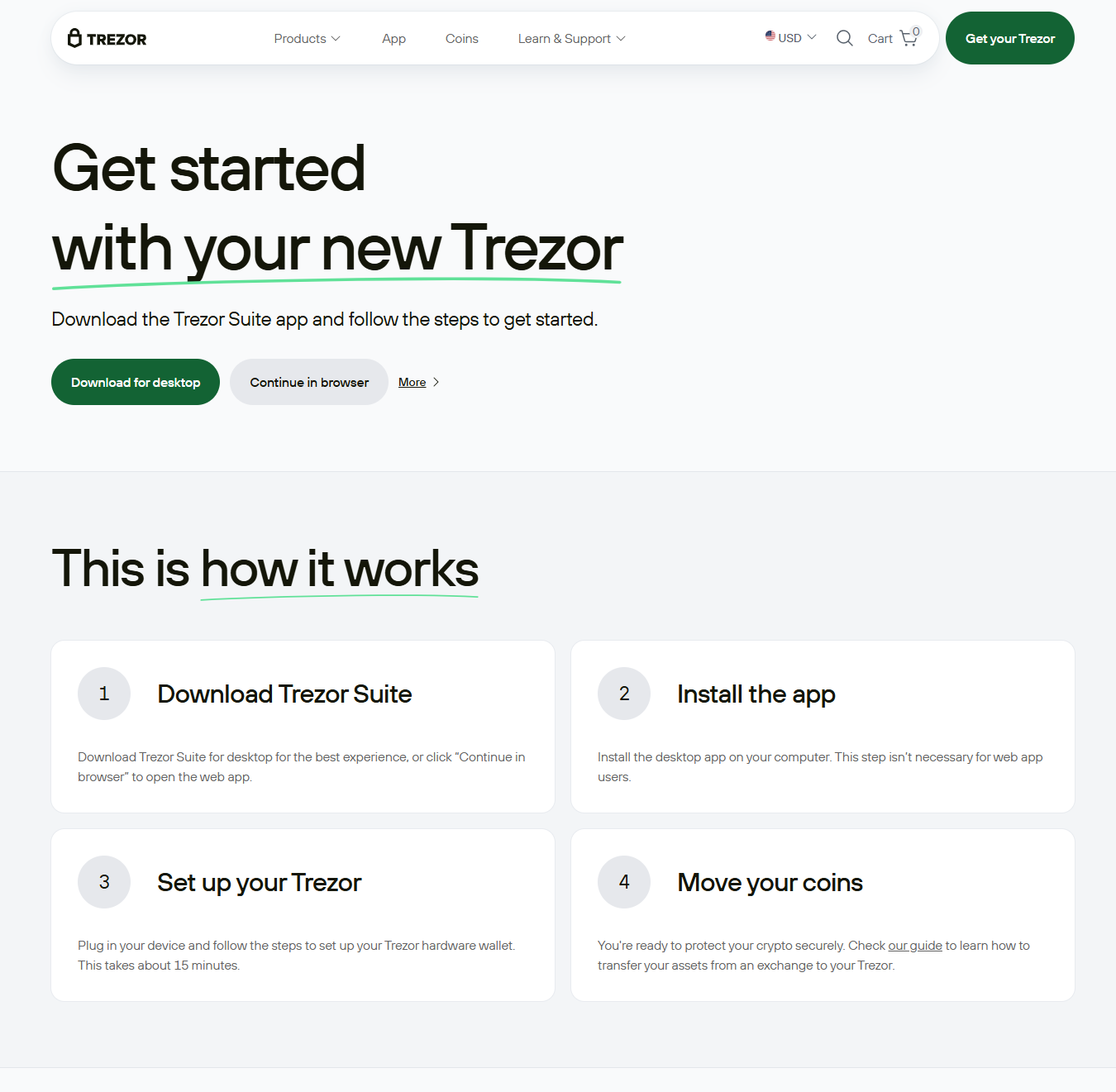
Trezor Bridge: Complete Guide to Secure Hardware Wallet Connectivity
Using a hardware wallet gives cryptocurrency users another layer of control over their digital assets. However, the device still needs a secure way to communicate with compatible software on a computer. Trezor Bridge is designed to provide that communication layer, helping a Trezor hardware wallet interact with supported wallet applications and services.
For users setting up a Trezor wallet for the first time, understanding how Trezor Bridge works can make the connection process much easier. It is not a wallet itself and does not replace the hardware device. Instead, it works in the background to help establish communication between the Trezor device and compatible software.
What Is Trezor Bridge?
Trezor Bridge is a software component that allows a Trezor hardware wallet to communicate with supported applications running on a computer. When the physical wallet is connected through USB, the bridge helps compatible software recognize and communicate with the device.
This communication is important for actions such as viewing wallet information, accessing accounts, approving transactions, and managing supported digital assets. The hardware wallet remains the device used for sensitive authorization.
Trezor Bridge therefore works as a connection layer rather than an independent cryptocurrency wallet.
Why Is Trezor Bridge Useful?
A hardware wallet needs a reliable communication method when it is used with desktop software. Without an appropriate connection layer, compatible applications may not be able to communicate correctly with the physical device.
Trezor Bridge can help create a smoother connection between the wallet and supported software. Once installed correctly, it generally works in the background instead of requiring users to interact with it constantly.
This makes the setup more convenient while allowing the hardware wallet to remain part of the transaction approval process.
How Trezor Bridge Works
The basic process is straightforward. A Trezor hardware wallet connects to the computer through USB. Compatible wallet software detects the available communication service and uses it to communicate with the connected device.
When an operation requires authorization, important details can be displayed for review. The user can then check the information directly on the hardware wallet before approving the action.
This separation is valuable because the computer can provide the interface while the physical wallet remains involved in sensitive authorization steps.
Installing Trezor Bridge
Before installing any wallet-related software, users should confirm that they are obtaining it from a legitimate Trezor source. Searching for setup software can sometimes lead to imitation pages, misleading advertisements, or fraudulent downloads.
After obtaining the appropriate version, follow the installation instructions for the operating system being used. Once installation is complete, restart or reopen compatible wallet software if necessary.
If the bridge is installed correctly, the computer should be able to establish communication with a connected Trezor device.
Connecting Your Trezor Wallet
Connect the hardware wallet using a suitable USB cable and unlock the device according to its normal security procedure. Then open the compatible wallet software you intend to use.
If the application cannot detect the device, check whether Trezor Bridge is installed and running correctly. It can also help to reconnect the device, try another USB port, or restart the application.
Avoid installing multiple unofficial connection tools simply because one website claims they are required. Wallet software should always come from trusted sources.
Trezor Bridge and Wallet Management
Trezor Bridge can be particularly useful when a desktop environment needs to communicate with a hardware wallet. Depending on the supported application and device, users may be able to access account information, review balances, initiate transactions, and interact with supported blockchain networks.
The software interface makes these tasks easier to understand, but the physical wallet remains an important part of the security process.
Users should always review transaction information carefully before approving an operation on the hardware device.
Protecting Your Recovery Seed
Installing Trezor Bridge does not remove the responsibility of protecting your recovery seed. The recovery seed is one of the most important pieces of information associated with a hardware wallet.
Never enter the recovery seed into a website, online form, email, chat, or random computer application. Someone who obtains the seed may be able to gain control of the associated wallet.
Store the recovery information offline in a secure location and never photograph or upload it unnecessarily. Legitimate support personnel should not ask you to reveal your complete recovery seed.
Troubleshooting Trezor Bridge
Connection problems do not always mean that the hardware wallet is defective. Several basic checks can help identify the problem.
First, make sure the USB connection is secure. Try a different compatible cable if the device is not recognized. Next, confirm that the appropriate Trezor software and bridge component are installed and updated.
Closing and reopening the wallet application can also resolve temporary communication problems. Restarting the computer may help when background services have not started correctly.
If the issue continues, consult trusted Trezor documentation rather than downloading an unknown troubleshooting program.
Security Practices to Follow
Security should remain a priority whenever cryptocurrency hardware wallets are involved. Use trusted software sources, keep the operating system and wallet applications maintained, and avoid suspicious links.
Be particularly careful with websites that claim your wallet needs an urgent security update or request your recovery seed. Phishing attacks often imitate legitimate wallet interfaces to persuade users to reveal confidential information.
Before approving transactions, carefully compare the recipient address and transaction details shown on the hardware wallet with what you intended to authorize.
Keeping Trezor Software Updated
Updates can improve compatibility, performance, and security. However, users should approach updates carefully and obtain them through legitimate sources.
Do not follow update instructions received through unexpected messages, pop-ups, or suspicious websites. Instead, verify the software source independently before proceeding.
Keeping the computer, wallet software, and relevant connection components maintained can help reduce avoidable compatibility issues.
Final Thoughts
Trezor Bridge provides an important communication layer between a compatible computer environment and a Trezor hardware wallet. By helping wallet software communicate with the physical device, it can make everyday cryptocurrency management more convenient.
The most important part of using Trezor Bridge is maintaining good security habits. Download software from trusted sources, protect the recovery seed, verify transaction details on the hardware wallet, and treat unexpected wallet requests with caution.
With the right setup and careful security practices, Trezor Bridge can support a smoother connection between your computer and Trezor hardware wallet while keeping the physical device involved in sensitive authorization.
Updated about 8 hours ago